


A decision-theoretic characterization of perfect calibration is that an agent seeking to minimize a proper loss in expectation cannot improve their outcome by post-processing a perfectly calibrated predictor. Hu and Wu (FOCS’24) use this to define an approximate calibration measure called calibration decision loss (CDL), which measures the maximal improvement achievable by any post-processing over any proper loss. Unfortunately, CDL turns out to be intractable to even weakly approximate in the offline setting, given black-box access to the predictions and labels. We suggest circumventing this… Read More
Efficient Calibration for Decision Making
A decision-theoretic characterization of perfect calibration is that an agent seeking to minimize a proper loss in expectation cannot improve their outcome by post-processing a perfectly calibrated predictor. Hu and Wu (FOCS’24) use this to define an approximate calibration measure called calibration decision loss (CDL), which measures the maximal improvement achievable by any post-processing over any proper loss. Unfortunately, CDL turns out to be intractable to even weakly approximate in the offline setting, given black-box access to the predictions and labels. We suggest circumventing this…

Related Posts

Teaming up with LA28, Team USA and NBCUniversal for the LA28 Olympic and Paralympic Games
We’re announcing a partnership with LA28, Team USA, and NBCUniversal ahead of the Winter and…
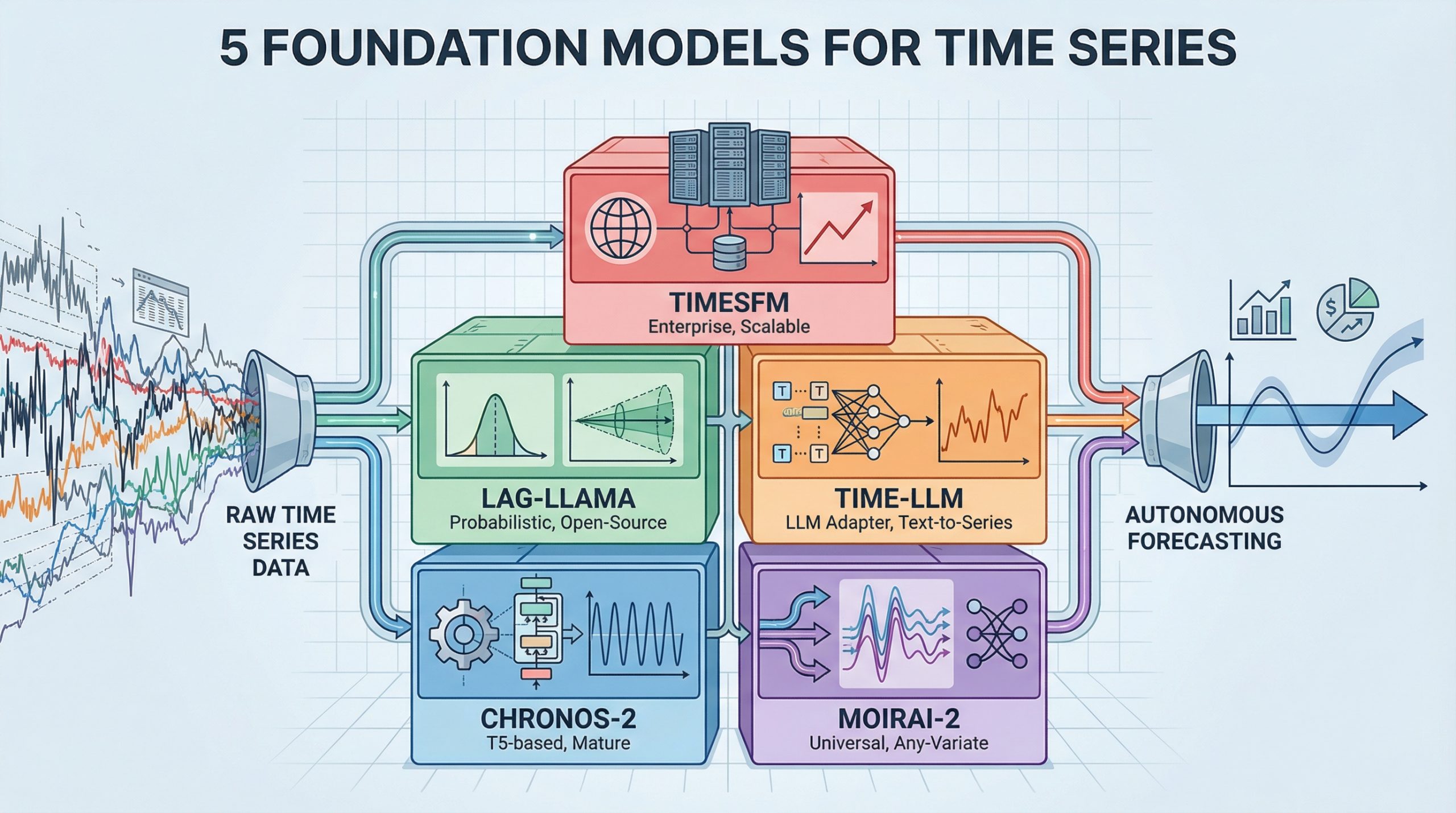
The 2026 Time Series Toolkit: 5 Foundation Models for Autonomous Forecasting
Most forecasting work involves building custom models for each dataset — fit an ARIMA here,…
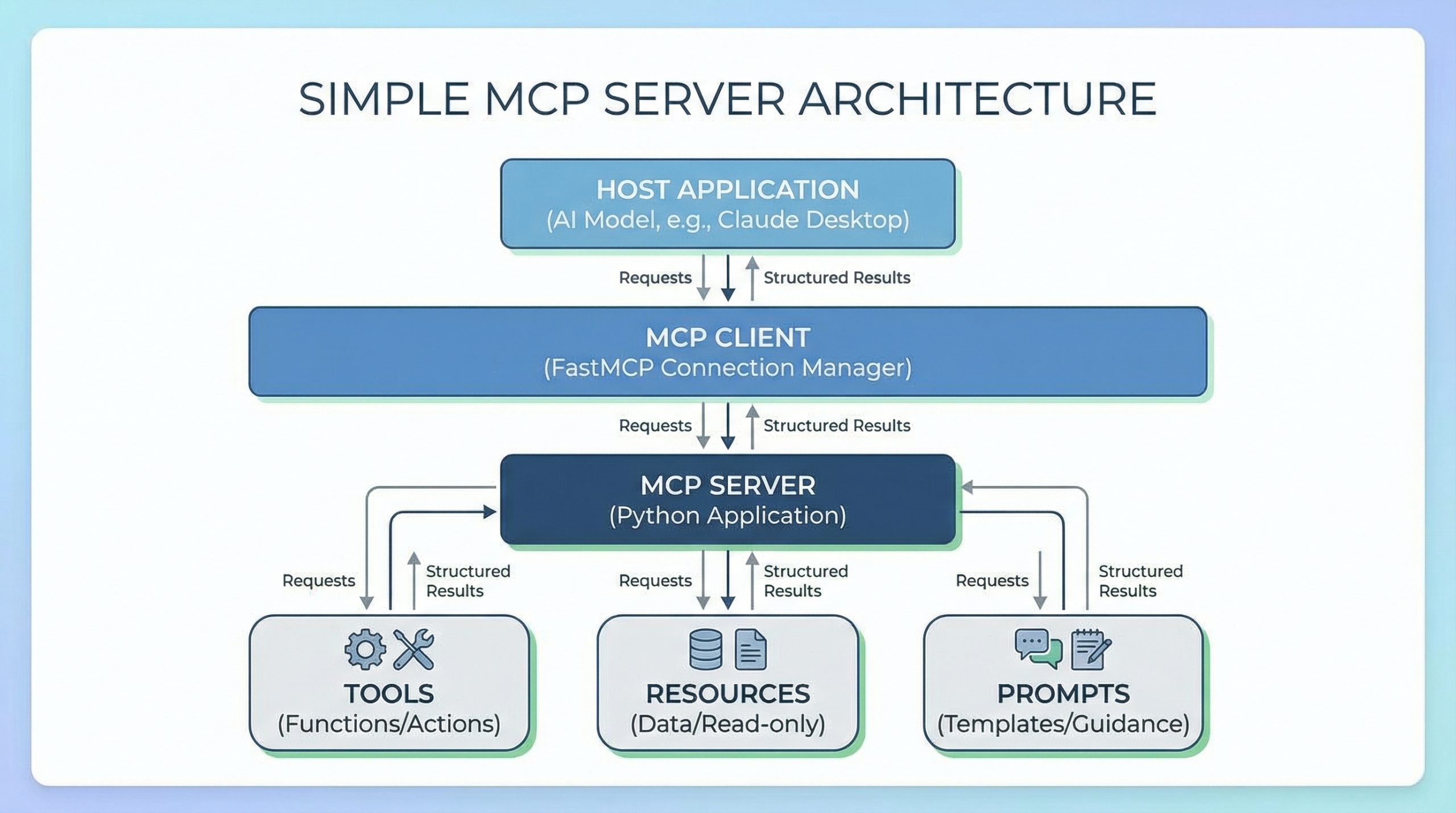
Building a Simple MCP Server in Python
Have you ever tried connecting a language model to your own data or tools? If…